
Find A Trusted Piano Tuner
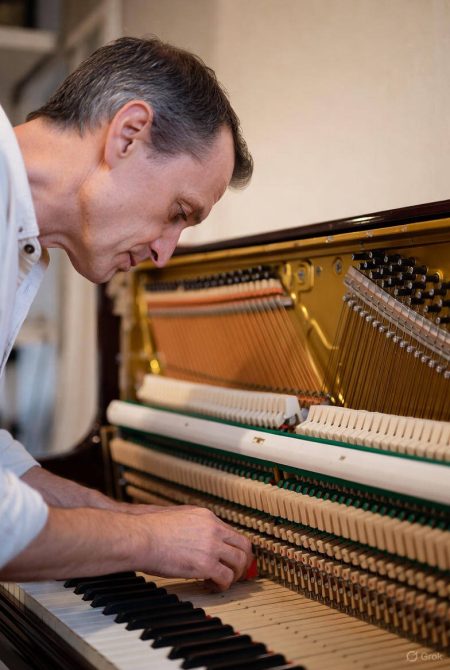
We are frequently asked if we can recommend a piano tuner. The answer is yes—we can suggest some excellent Trusted professionals. Below, you’ll find a list featuring one recommended tuner for each area. While there are many tuners available, these are the ones we confidently endorse.
Having your piano regularly tuned offers numerous benefits that enhance both the instrument’s performance and longevity. Tuning ensures that each string produces the correct pitch, resulting in a harmonious and pleasing sound that enriches your playing experience.
It helps maintain the piano’s tonal quality, allowing music to sound as intended by the composer. Regular tuning also prevents excessive strain on the piano’s structure by balancing string tension, which can reduce the risk of damage to the soundboard and other internal components. Additionally, a well-tuned piano supports proper technique and ear training for musicians, fostering better musical development. Overall, tuning preserves the instrument’s value and ensures it remains a reliable and enjoyable tool for years to come.
Mark Ward MABPT, Dip AEWVH – 01384 392 476
Covers Birmingham, Solihull, Wolverhampton, Stourbridge, Kidderminster, Bromsgrove, Redditch, and surrounding areas in the West Midlands.
Frances Overbury – http://www.pianotuning.org.uk/
Area: Newark-on-Trent, Derby, Nottingham, East Staffs, South Yorks, North Leics, and the wider East Midlands.
Guy Alcock-Cross – www.mrmusicspianoservices.uk
Area: Pontefract

Tuning Is Important
Moving an instrument can cause subtle shifts inside the frame, even when it has been transported with the utmost care. Temperature changes, vibration during travel, and differences in humidity between properties all affect the internal components, particularly the soundboard and strings. These elements expand and contract depending on the environment, which naturally alters tension. Even a small change in tension is enough to take the instrument out of tune. This is why most technicians recommend allowing it some time to settle after arriving in its new location. Giving it this period of adjustment helps the instrument return to a stable condition before any fine-tuning work is carried out. Attempting to tune it too soon can lead to the pitch drifting again within days, as the internal components haven’t had enough time to acclimatise.
Most professionals suggest waiting between one and two weeks before arranging a tuning, although the exact timing can vary depending on how significant the environmental change is. For example, a move from a cool, dry property to a warm, humid room can cause bigger shifts internally, so giving the instrument a slightly longer rest is sensible. In contrast, if the new space feels very similar to the old one, the settling time may be shorter. During this period, it’s a good idea to place the instrument away from radiators, heaters, direct sunlight, and draughts, as stable conditions help it settle more quickly. Once the acclimatisation period has passed, a professional tuner can make precise adjustments that will last longer and provide the best possible tone and performance. Following this routine ensures the instrument stays in good condition and continues to sound its best after its journey.
It’s also worth remembering that a move can highlight underlying issues that may not have been noticeable before. Older instruments or those that haven’t been serviced for a long time can react more dramatically to environmental changes, sometimes revealing loose pins, minor structural movement, or variations in tone across the keyboard. Allowing the instrument to rest before calling a tuner gives these issues time to show themselves, enabling the technician to carry out a more accurate and thorough service. This approach not only improves the tuning stability but can also help maintain the long-term condition of the instrument by catching small problems early. A good post-move tuning is essentially a health check — a chance to reset the instrument, address any small adjustments needed after the journey, and ensure it’s performing at its best in its new surroundings.